Accumulation phase
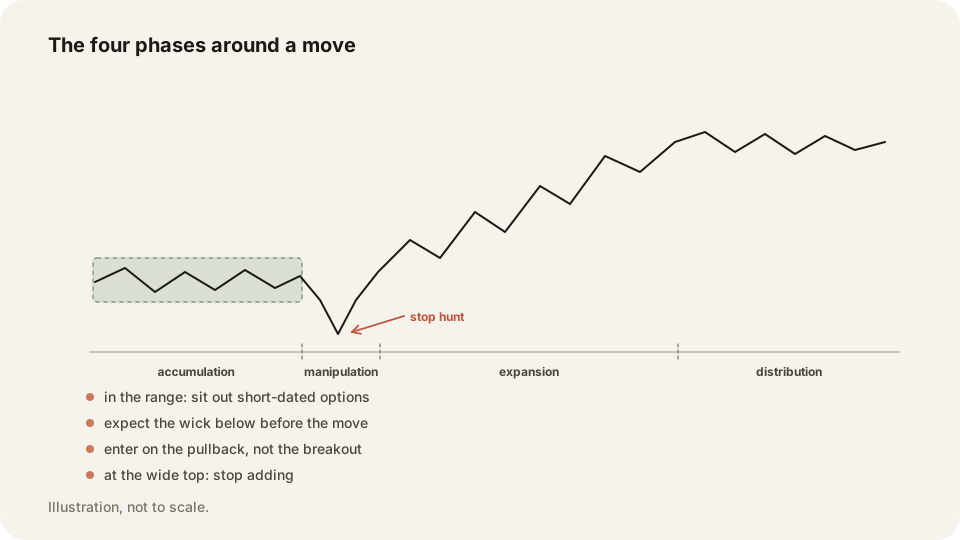
The accumulation phase is the sideways stretch where large positions get built. Price moves back and forth in a range while buyers take on stock.
In depth
Buying a big position in one go moves the price against you. So it gets done in pieces, inside a range, over hours or days. On the chart it looks like a quiet band with no trend in it.
The clock is the risk here, not the direction. Hold an option through a sideways stretch and time decay takes a slice every day. Same-day expiry makes that worse. The trade comes out of the break of the range. The patient move is to wait at the edge.
Why it matters
Traders force setups inside these ranges because something looks like it is forming. There is nothing to be right about yet. The range is the market making up its mind. A position in the middle pays decay and spread for a move that has not started.
Results by hold time on the stats page show what your patient trades made against your quick ones. Automatic tags mark the contracts that expired worthless. Habit findings tell you whether your results fall away late in the day.
Frequently asked questions
A sideways band after a fall, with price refusing to make new lows. You only confirm it when the range breaks.
Short-dated ones are expensive to hold sideways. Time decay charges you every day while price goes nowhere.
Keep your Accumulation phase trades on the record in TraderLog
Trades import from Schwab and IBKR on their own, every day lands on a calendar with its P&L, and the day's entry sits beside it. Replay any trade on a TradingView chart. Free for 14 days, no card.
Every trading morning at 8:40 ET our model draws the SPY, QQQ and IWM zones it expects to matter, on a TradingView chart, before the open. Where price reaches one, it has turned 74 percent of the time. Free, no account. See today's map