Averaging down
Averaging down means buying more of a position as the price falls, which lowers your average cost. It also makes the trade bigger while it is losing.
In depth
The maths looks helpful. Buy 100 shares at 50, buy 100 more at 46, and your average is 48 instead of 50. The stock only has to reach 48 for you to be flat. What the maths hides is that your risk doubled at the exact moment the market disagreed with you.
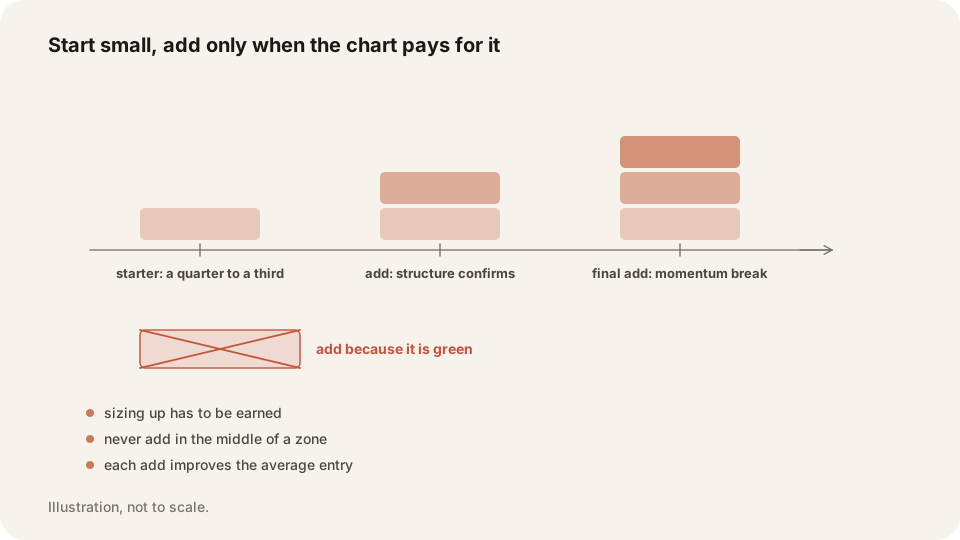
There is a version of this that works, and the difference is when you decided. An add you set out before entering, taken at a level you drew in advance, is part of the trade. Buying more because the loss hurts is a different act wearing the same clothes.
Why it matters
This is how small losses turn into account sized losses. The stop was set for the first entry and the position is now twice as large, so hitting it costs double. Traders who average down often report a high win rate and a shrinking account, because the rare loss is enormous.
Automatic tags flag trades where your size jumped after a loss, and the habit findings pick out give-backs and losers held longer than winners. Tag your deliberate adds separately so the By tag table can tell them apart from the ones you regret.
Frequently asked questions
When the add was decided before you entered and taken at a level you drew, yes. When the loss chose it, no.
Scaling in adds as the idea works or at prices set beforehand. Averaging down adds because the trade is losing.
Keep your Averaging down trades on the record in TraderLog
Trades import from Schwab and IBKR on their own, every day lands on a calendar with its P&L, and the day's entry sits beside it. Replay any trade on a TradingView chart. Free for 14 days, no card.
Every trading morning at 8:40 ET our model draws the SPY, QQQ and IWM zones it expects to matter, on a TradingView chart, before the open. Where price reaches one, it has turned 74 percent of the time. Free, no account. See today's map