Expansion phase
The expansion phase is the part of the cycle where price actually moves: higher highs and higher lows, or lower lows and lower highs. There is no sideways version of it.
In depth
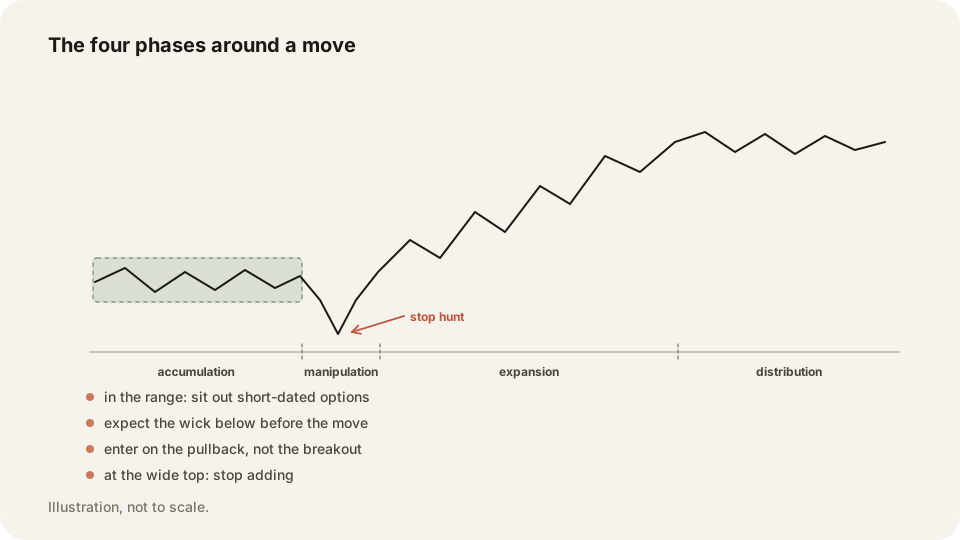
It comes third. Price ranges sideways while positions get built, then a push past an obvious level clears out the stops resting there, and then the real move runs. Expansion is where the money is, and it is the only phase with a clear direction. Higher timeframes cycle slowly, lower ones quickly.
The mistake is entering at the top of a leg because the candle looks strong. Inside an uptrend price makes a high, pulls back, then makes a higher high. Your entry belongs in that pullback, near the last higher low, so your stop sits just under it. Buying the strong candle puts your stop far away and the ratio stops working.
Why it matters
Naming the phase tells you whether to be in the market at all. Trading a sideways range on a short-dated option pays time decay while nothing happens. Waiting for expansion means fewer trades and better ones. It also stops you reading an ordinary pullback inside a trend as a reversal, which is one of the most expensive mix-ups there is.
Tag your trades by phase and the By tag table shows what range trading costs you against trend trading. The stats page adds results by hold time, and automatic tags mark scalps and late-session trades, which is where range trading usually hides.
Frequently asked questions
A candle closes beyond the last swing point, volume picks up, and the broken level holds on a retest.
On the pullback inside the move, near the last higher low, not at the top of a strong candle.
Keep your Expansion phase trades on the record in TraderLog
Trades import from Schwab and IBKR on their own, every day lands on a calendar with its P&L, and the day's entry sits beside it. Replay any trade on a TradingView chart. Free for 14 days, no card.
Every trading morning at 8:40 ET our model draws the SPY, QQQ and IWM zones it expects to matter, on a TradingView chart, before the open. Where price reaches one, it has turned 74 percent of the time. Free, no account. See today's map