Theta (time decay)
Theta is the amount an option loses each day from time passing alone. For a buyer it is rent. For a seller it is income.
In depth
A theta of minus 0.08 means the contract is expected to lose about 8 dollars a day if nothing else changes. Nothing else changing is rare, but the drain is real, it never stops, and it keeps running over the weekend.
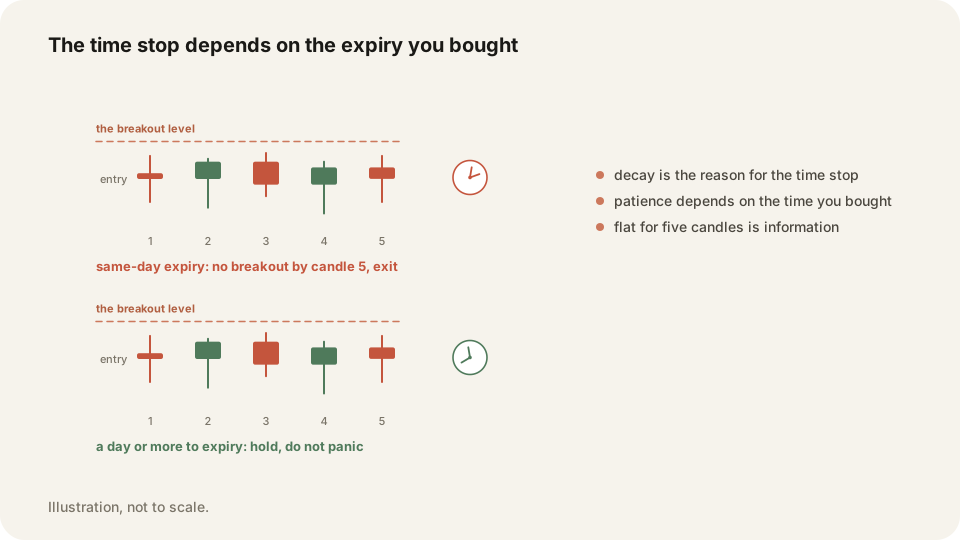
Decay speeds up as expiry gets close, and it bites hardest on contracts sitting at the money. One with 30 days left loses a little each day. The same contract with 3 days left can lose a large slice of what remains in a single session. That is why being right on direction but a week early still finishes red.
Why it matters
Time is the standing opponent for an option buyer. You can pick the level correctly, get the direction correctly, and still lose because you sat in the position for two days waiting for it. On short dated contracts, poor timing costs more than a poor forecast.
TraderLog shows results by how long trades were held, so you can see the point where your options stop paying. Automatic tags mark trades that expired worthless or were held overnight, and the calendar shows what those days cost you.
Frequently asked questions
Yes. Contracts lose time value across non trading days, which is why Monday quotes often look lower than Friday's.
At the money contracts close to expiry. Their price is almost all time value and there is little time left.
Keep your Theta (time decay) trades on the record in TraderLog
Trades import from Schwab and IBKR on their own, every day lands on a calendar with its P&L, and the day's entry sits beside it. Replay any trade on a TradingView chart. Free for 14 days, no card.
Every trading morning at 8:40 ET our model draws the SPY, QQQ and IWM zones it expects to matter, on a TradingView chart, before the open. Where price reaches one, it has turned 74 percent of the time. Free, no account. See today's map