Tilt
Tilt is the state where a loss makes you angry or desperate and you stop following your own rules. Size grows, stops get moved, and trades stop looking like your usual setup.
In depth
The word comes from poker. You lose a hand you should have won, and you play the next one badly because you are still in the last one. Trading works the same way. You take a 300 dollar loss at 10am, and by 10:15 you are in a bigger position with no level behind it.
Tilt shows up in the record before you notice it in yourself. Trades taken within a minute of a loss. Size jumping right after a red trade. Ten trades on a day you usually take three. Those are countable, which is why the fix is a rule and not willpower.
Why it matters
A working strategy and a tilted afternoon can share the same account, and the afternoon usually wins. One bad hour hands back a month. The first loss is rarely the problem. The four trades you take to erase it are, each one bigger and less thought through than the last.
Automatic tags mark a fast re-entry after a loss and a size jump after a loss, so tilt becomes rows you can count. Habit findings compute the same from your trades, and results after a loss sit next to results after a win on the stats page.
Frequently asked questions
Check the clock and the size. Trades taken seconds after a loss, or in bigger size than usual, are the tell.
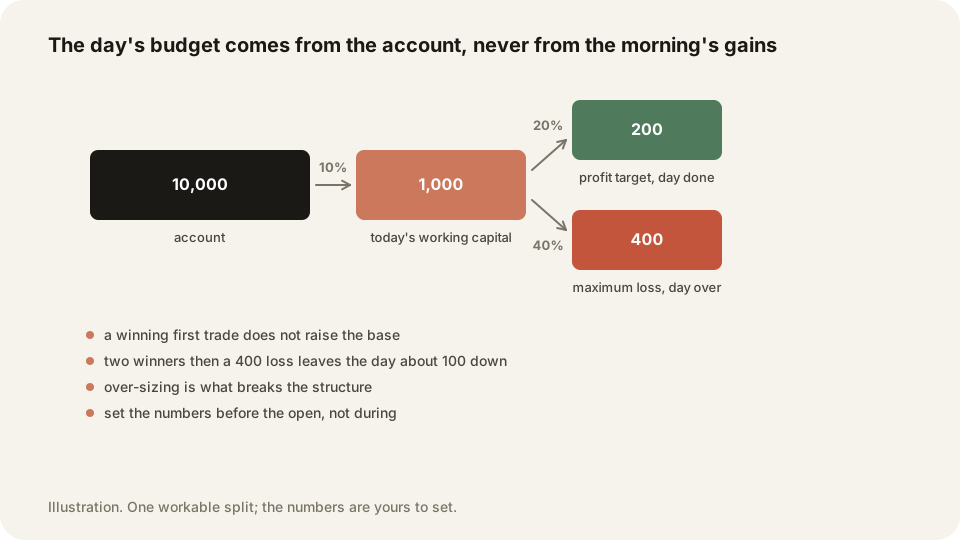
A daily loss limit you set before the open, and walking away when you hit it. Decide it while nothing is at stake.
Keep your Tilt trades on the record in TraderLog
Trades import from Schwab and IBKR on their own, every day lands on a calendar with its P&L, and the day's entry sits beside it. Replay any trade on a TradingView chart. Free to start, no card.
Every trading morning at 8:40 ET our model draws the SPY, QQQ and IWM zones it expects to matter, on a TradingView chart, before the open. Where price reaches one, it has turned 74 percent of the time. Free, no account. See today's map