Wash sale
A wash sale is when you sell something at a loss and buy it back within 30 days. The tax rules stop you claiming that loss straight away.
In depth
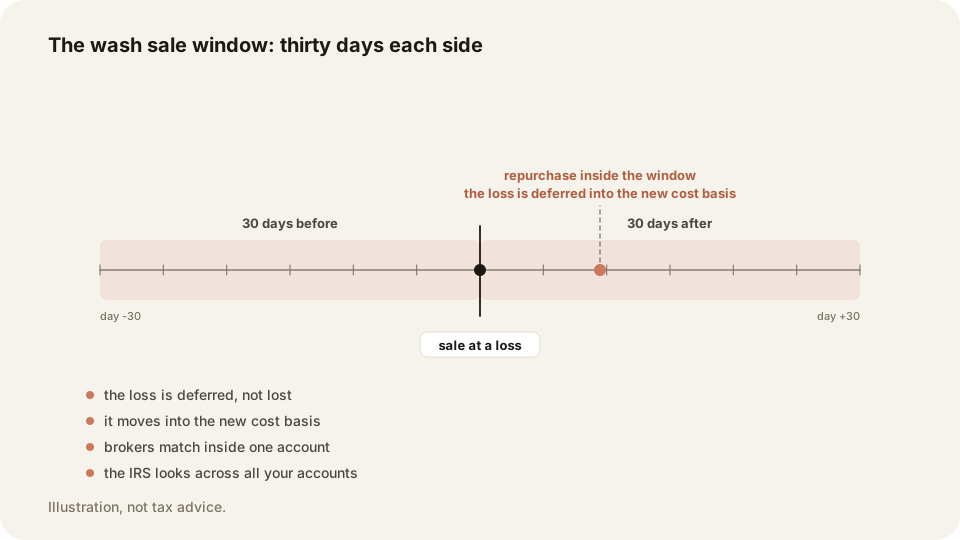
The window runs 30 days either side of the sale, so 61 days in total. Sell 100 shares at a 500 dollar loss, buy them back a week later, and the 500 does not count as a loss this year. It gets added to the cost of the new shares instead.
So the deduction is delayed rather than destroyed. You get it when you finally sell without rebuying. The rule catches substantially identical securities, which can include options on the same stock, and a purchase in another account you control can trigger it too. Check with a tax professional.
Why it matters
A trader who scalps the same ticker all year can end up with a tax bill that looks nothing like the broker statement. Deferred losses stack up and land in the wrong year. If you sit on a losing name over year end while still trading it, the timing is worth checking.
TraderLog does not do tax reporting, but it imports every fill from Schwab, IBKR or a CSV and shows results per symbol, so you can see how often you went back into the same name. Automatic tags flag fast re-entries after a loss.
Frequently asked questions
31 days after the sale. Buying inside the 30 days either side triggers the rule and defers the loss.
They can. Options on the same stock may count as substantially identical, so the loss gets deferred the same way.
Keep your Wash sale trades on the record in TraderLog
Trades import from Schwab and IBKR on their own, every day lands on a calendar with its P&L, and the day's entry sits beside it. Replay any trade on a TradingView chart. Free for 14 days, no card.
Every trading morning at 8:40 ET our model draws the SPY, QQQ and IWM zones it expects to matter, on a TradingView chart, before the open. Where price reaches one, it has turned 74 percent of the time. Free, no account. See today's map