Drawdown
Drawdown is how far your account has fallen from its highest point. It measures the dip between one equity peak and the low that comes after it.
In depth
Your account climbs from 10,000 to 15,000, then slides to 12,000. The drawdown is 3,000 dollars, or 20 percent from the peak. It stays on the record until you make a new high above 15,000. Losing 1,000 on one trade does not always create a drawdown. If you are still above the old peak, nothing has been given back.
Percent matters more than dollars because of the climb back. Down 20 percent needs 25 percent to get level. Down 50 percent needs 100 percent. The hole gets steeper faster than it gets deeper.
Why it matters
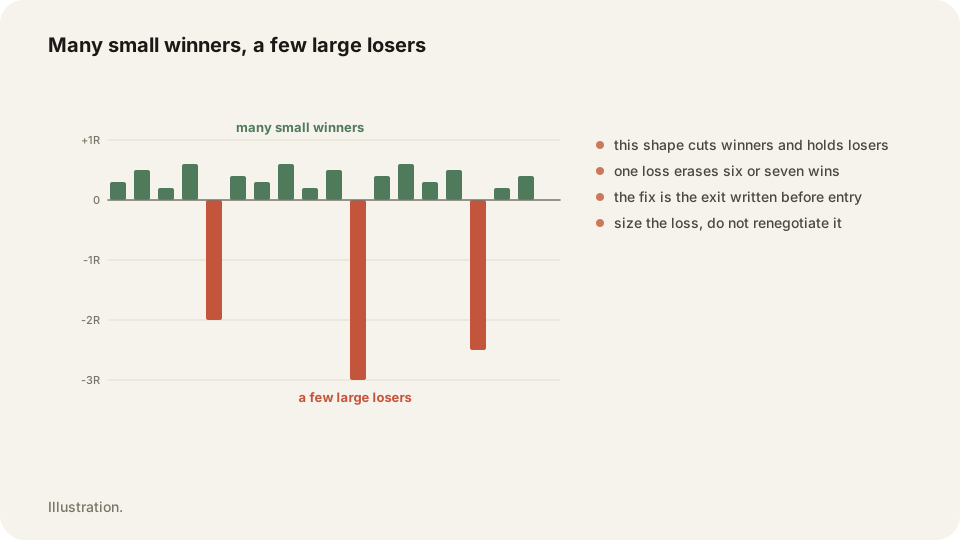
Drawdown decides whether you are still trading next year. It also does damage before the money runs out. Deep in one, traders cut winners short and skip the setups they waited for. Then they size up to catch back up. The behaviour costs more than the original losses did.
TraderLog computes max drawdown from your imported fills. Your worst day, best day and streaks sit next to it. The calendar turns a drawdown into a run of red squares you can point at. There is also a free drawdown calculator on the site.
Frequently asked questions
Take the highest account value so far and subtract the lowest point after it. Divide that by the peak for a percentage.
It depends on your method and your size. Knowing your usual range keeps a bad month from feeling like failure.
Keep your Drawdown trades on the record in TraderLog
Trades import from Schwab and IBKR on their own, every day lands on a calendar with its P&L, and the day's entry sits beside it. Replay any trade on a TradingView chart. Free for 14 days, no card.
Every trading morning at 8:40 ET our model draws the SPY, QQQ and IWM zones it expects to matter, on a TradingView chart, before the open. Where price reaches one, it has turned 74 percent of the time. Free, no account. See today's map